
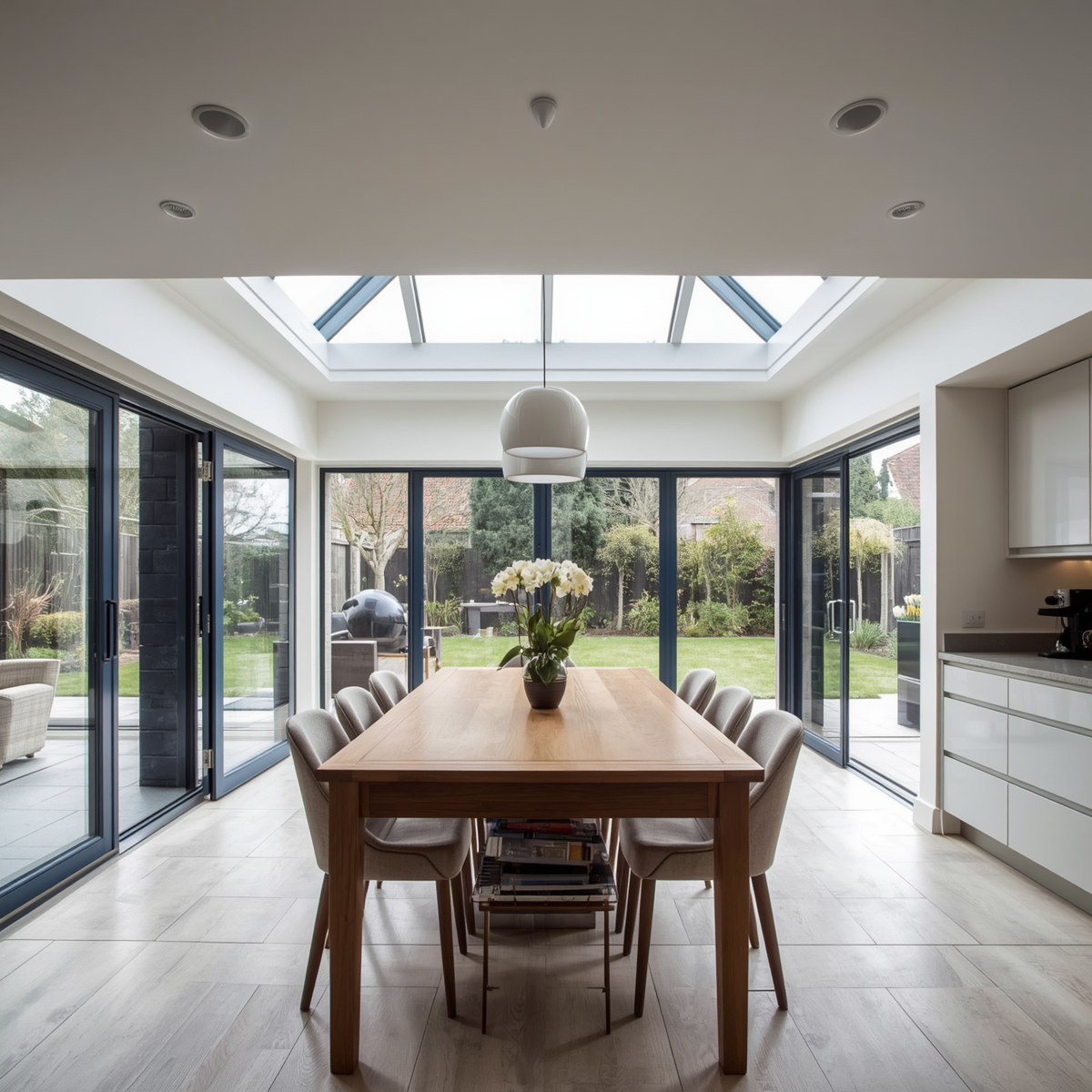
Home Extensions in 2026
A complete guide for UK homeowners
Helping everyday homeowners get the space they deserve
-
Helping everyday homeowners get the space they deserve -
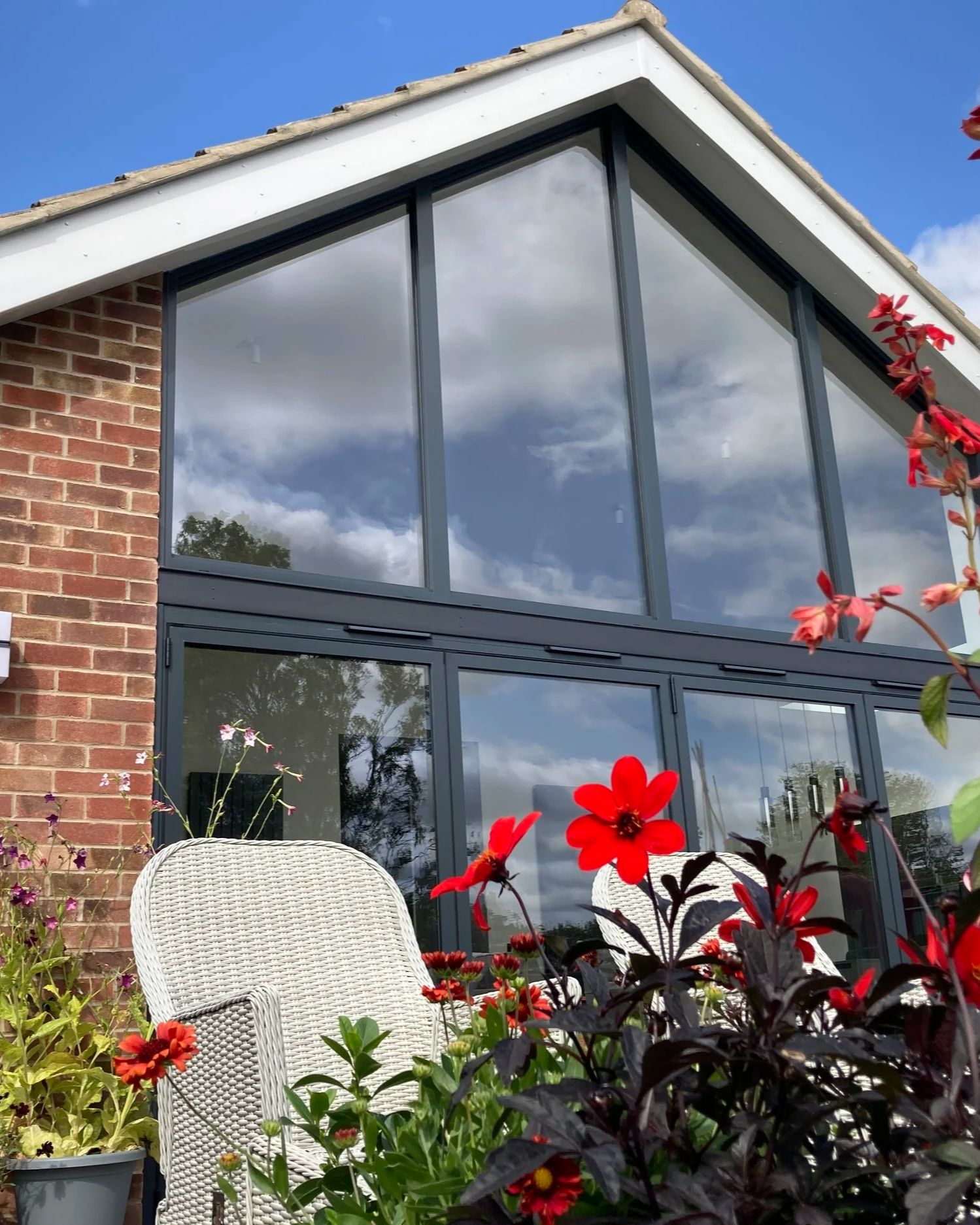
If you’re thinking about extending your home in 2026, you’re probably starting with a few familiar questions:
Where do we even begin?
How much is this going to cost?
Do we need planning permission?
And will it actually get approved?
We hear these every day.
At The Practical Planning Company, we’ve spent over 10 years helping homeowners across Derbyshire, Nottinghamshire and Leicestershire navigate this process – and one thing has become increasingly clear.
Extending your home is still very achievable. But getting there now requires clearer thinking, better preparation, and the right guidance from the start.
This guide is here to help you do exactly that
Frequently Asked Questions
-
Start by understanding your needs, budget, and planning constraints before moving into design.
-
Most projects range between £40,000 and £100,000+, depending on size and complexity.
-
Not always. Many extensions can be built under permitted development, which allows you to extend without planning permission if certain rules are met.
-
Typically 6–12 months from idea to completion.
-
Not legally – but professional support significantly improves outcomes.
Where do you start with a home extension?
Most people assume it starts with design. In reality, it starts with clarity. Before anything is drawn, you need to understand:
what space you actually need
what your budget realistically allows
whether your proposal is likely to be approved
This is where most projects are either set up for success – or begin to go wrong.
In many cases, the most efficient route is to design something that doesn’t need planning permission at all – something we focus on through our Practical Spaces package, helping homeowners make the most of what’s possible within the rules.
How much does a home extension cost in 2026?
A common question we hear is: “Can we actually afford to extend?”
Typical ranges:
£40k–£60k → smaller extensions
£60k–£100k+ → larger or complex builds
But cost is influenced by:
layout
structure
finishes
planning requirements
What is the process for extending a house?
A typical project follows this structure:
Initial consultation
Feasibility and budget
Design development
Planning application
Construction drawings
Build
The biggest mistake? Skipping the early steps!
Do you need planning permission for an extension?
A common question: “Can I extend without planning permission?
The answer, in many cases, is yes.
Some home extensions can be built under what’s known as permitted development (PD) – a set of rules that allow you to extend your home without submitting a full planning application, provided certain conditions are met. This is something we specialise in with our Practical Spaces package.
Many of the projects we work on are carefully designed to maximise what’s possible within these rules, helping homeowners create meaningful additional space without the delays and uncertainty that can sometimes come with planning.
That said, permitted development isn’t always straightforward. The rules depend on your property, its location, and any previous extensions.
Do you need an architect or designer
Legally? No. But most homeowners quickly realise: this is not a straightforward process. Good design isn’t just about aesthetics – it’s about:
getting planning approval
avoiding costly mistakes
making your space work properly
What’s the difference between the two, we hear you ask? An architect is a protected, professionally registered title, often associated with a broader scope of projects and a more formalised route through design and construction. Fees are often linked to a percentage of the overall build cost, which tends to suit larger or more complex schemes.
An architectural designer - like us here at PPCo - is someone who designs buildings and spaces, often working on the kinds of residential projects most homeowners are undertaking, including home extensions. Fee structures are typically more flexible, such as fixed fees or hourly rates.
When it comes to home extensions, both architects and architectural designers are capable of guiding you through the process. What matters far more is working with someone experienced, honest and easy to work with - someone who understands both design and planning, and can help you get it right first time. Hey, that sounds just like us! So why not get in touch and start the conversation?
What can go wrong in home extensions?
In our experience, common issues include:
unrealistic budgets
poor planning strategy
lack of early clarity
refused applications
Most of these are avoidable if you’re working with the right people and you’ve followed all the steps - in order!
And when it comes to planning permission, recent changes to the planning process mean there’s less flexibility once an application is submitted - so getting things right first time matters more than ever if you want to avoid a refusal.
Extending your home in Derby, Nottingham and Leicester
Planning decisions vary by location.
We regularly work across:
And while the principles are the same, interpretation can differ. That’s why local experience matters.
So, what should you do next?
If there’s one takeaway, it’s that extending your home isn’t just about design – it’s about getting the early decisions right. Start with:
clarity
realistic expectations
the right support
Everything else becomes easier.
Thinking about extending your home in 2026?
We offer free, no-obligation design consultations to help you:
understand your options
assess feasibility
plan your next steps
Call us on 07743686654, email us at hello@practicalplanningco.co.uk or go ahead and use the button here to book a free, no obligation design consultation.